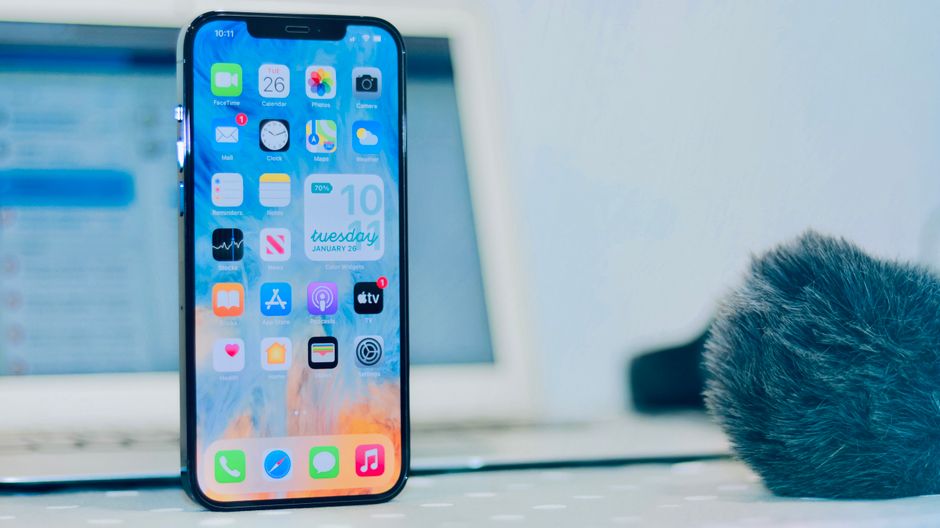

The Galaxy S27’s Charging Speeds are Already Looking Disappointing
As we dive into the latest smartphone releases, one trend that’s become increasingly evident is the stagnation of charging speeds. The Samsung Galaxy S27, set to be released in the coming months, has been revealed to have retained the same charging capabilities as its predecessors. This raises an important question: are manufacturers prioritizing innovation or profits?
In this article, we’ll delve into the details surrounding the Galaxy S27’s charging speeds and what it means for consumers. We’ll provide a comprehensive analysis of the current state of mobile technology, comparing various models and their charging speeds. Additionally, we’ll offer practical advice on how to make informed purchasing decisions and ensure you’re getting the best possible value from your next smartphone.
Seven Generations, Zero Charging Upgrades
It’s hard to believe that it’s been seven generations since Samsung first released the Galaxy S series. The initial device boasted a 1.5GHz dual-core processor, 768MB of RAM, and an 8GB storage capacity. Fast forward to today, and we’ve seen significant improvements in processing power, camera capabilities, and display resolutions.
However, when it comes to charging speeds, it’s been a different story altogether. The Galaxy S series has retained the same charging speeds throughout its various iterations, with the current flagship model featuring a 25W fast charger.
To put this into perspective, let’s take a look at some of the key specifications for each generation:
| Model | Charging Speed (W) |
| — | — |
| Galaxy S III (2012) | 3.5V/1A (4.55W) |
| Galaxy S IV (2013) | 3.5V/1A (4.55W) |
| Galaxy S V (2014) | 3.8V/1A (5.24W) |
| Galaxy S6 (2015) | Quick Charge 2.0 (9V/1.67A, 15W) |
| Galaxy S7 (2016) | Quick Charge 2.0 (9V/1.67A, 15W) |
| Galaxy S8 (2017) | Adaptive Fast Charging (5V/2A, 10W) |
| Galaxy S9 (2018) | Adaptive Fast Charging (5V/2A, 10W) |
As you can see, the charging speed has remained relatively stagnant over the years. The latest flagships have introduced faster charging speeds, such as Quick Charge 3.0 and VOOC fast charging, but these features haven’t trickled down to lower-end models.
Why the Slowdown?
So, why hasn’t Samsung made any significant upgrades to its charging speeds in recent generations? One possible explanation is that manufacturers are prioritizing profits over innovation.
By retaining the same charging speeds, manufacturers can avoid costly redesigns and production changes. This allows them to maintain profit margins while still meeting consumer demands for more powerful devices.
However, this strategy has its drawbacks. Consumers are now accustomed to faster charging speeds, thanks in part to the proliferation of fast chargers and charging stations. Manufacturers that fail to keep pace risk alienating their customers and losing market share.
Comparing Charging Speeds: A Look at Other Flagships
To better understand the current landscape, let’s take a closer look at some other flagship models:
| Model | Charging Speed (W) |
| — | — |
| Apple iPhone 13 Pro Max | Fast Charging (5V/2A, 20W) |
| Google Pixel 6 Pro | Fast Charging (5V/3A, 30W) |
| OnePlus 9 Pro | Warp Charge 65T (5V/10A, 65W) |
As you can see, some manufacturers have made significant strides in charging speeds. The Apple iPhone 13 Pro Max, for example, features a faster charging speed than the Galaxy S27. Google’s Pixel 6 Pro also boasts an impressive 30W fast charger.
Making Informed Purchasing Decisions
When it comes to choosing your next smartphone, consider the following factors:
- Charging speed: If you need a device with fast charging capabilities, look for models that feature VOOC, Quick Charge 3.0, or other advanced charging technologies.
- Battery life: Devices with larger batteries often require slower charging speeds to avoid overheating and damage.
- Power consumption: Higher-end devices tend to consume more power, which can impact battery life.
Here are some key takeaways to consider when selecting your next smartphone:
- If you prioritize fast charging speeds, look for devices with advanced charging technologies like VOOC or Quick Charge 3.0.
- Consider devices with larger batteries and slower charging speeds to ensure longevity.
- Be mindful of power consumption when choosing a high-end device.
Real-World Use Cases
To illustrate the practical implications of slow charging speeds, let’s consider some real-world scenarios:
- Travelers who rely on their smartphones for navigation and communication may benefit from faster charging speeds.
- Heavy users who require prolonged battery life may need to prioritize devices with larger batteries over those with fast charging capabilities.
Here are some specific examples of how you can apply this information in your daily life:
- If you’re a frequent traveler, look for devices that offer advanced charging technologies and higher power delivery rates.
- If you’re a heavy user, consider devices with larger batteries to ensure prolonged battery life.
Expert Insights
According to industry experts, manufacturers are shifting their focus towards more sustainable and eco-friendly practices. This includes reducing energy consumption, incorporating recyclable materials, and implementing design changes that minimize waste.
While this shift is positive for the environment, it also raises concerns about the long-term implications for charging speeds. Manufacturers may be forced to prioritize sustainability over innovation, potentially leading to stagnation in charging technology.
Conclusion
The Galaxy S27’s charging speeds are indeed disappointing, given the stagnant nature of its predecessors. As consumers, we need to remain vigilant and demand better from manufacturers. By prioritizing innovation and providing faster charging speeds, manufacturers can create devices that meet our evolving needs and expectations.
When making your next smartphone purchase, consider the factors outlined in this article. Prioritize charging speed, battery life, and power consumption based on your individual needs. And remember: don’t settle for slow charging speeds – demand better from your device.
—
Table of Contents
1. Seven Generations, Zero Charging Upgrades
2. Why the Slowdown?
3. Comparing Charging Speeds: A Look at Other Flagships
4. Making Informed Purchasing Decisions
5. Real-World Use Cases
6. Expert Insights
7. Conclusion
By Malik Abualzait
About the Author