
Mastering the Art of Call of Duty: A Comprehensive Guide to Hardware and Performance
As a gamer, there’s nothing quite like the thrill of dominating in Call of Duty. But have you ever wondered what sets apart the pros from the casual players? Is it their skill, their strategy, or something more? In this article, we’ll delve into the world of hardware and performance optimization to give you the edge you need to become a top player.
Understanding the Importance of Hardware
Before we dive into the specifics, let’s talk about why hardware matters. Your gaming rig is the foundation upon which your entire experience is built. A poorly optimized system can lead to frustrating lag, dropped frames, and a compromised gaming experience. On the other hand, a well-tuned machine can make all the difference in your gameplay.
CPU: The Brain of Your Gaming Rig
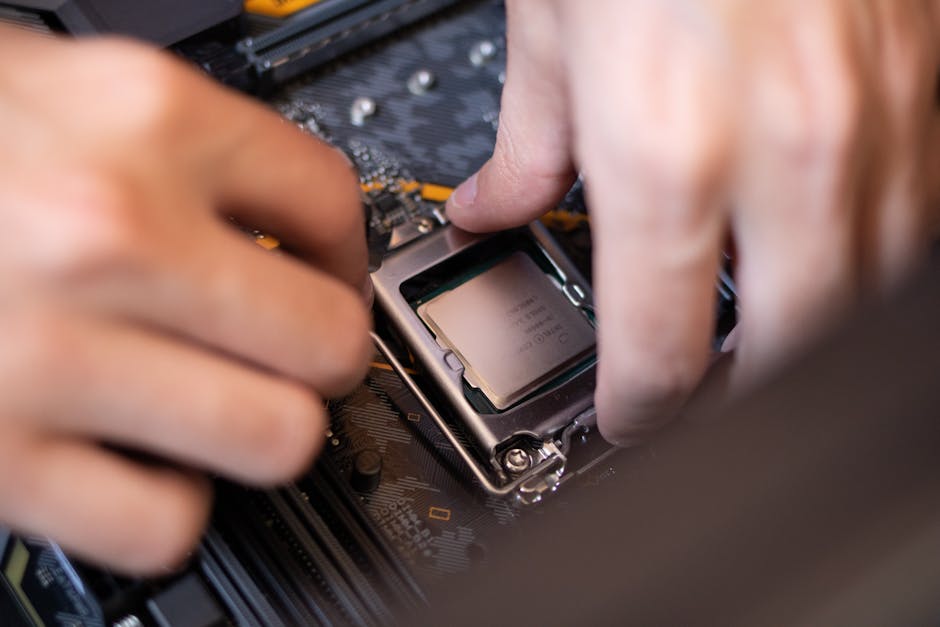
The central processing unit (CPU) is responsible for executing instructions and handling tasks. In Call of Duty, this means rendering graphics, processing physics, and managing AI. A good CPU will ensure smooth gameplay, even at high frame rates.
Here are some key considerations when choosing a CPU:
- Clock Speed: Measured in GHz, clock speed determines how many instructions your CPU can execute per second.
- Core Count: More cores mean more threads can be handled simultaneously, improving multitasking and gaming performance.
- Cache Size: A larger cache means faster access to frequently used data.
For Call of Duty, we recommend a minimum of 3.5 GHz clock speed and 4-6 core count. Some top options include:
| CPU | Clock Speed (GHz) | Core Count |
| — | — | — |
| AMD Ryzen 9 5900X | 3.7 | 16 |
| Intel Core i9-11900K | 3.2 | 10 |
| AMD Ryzen 5 5600X | 3.6 | 6 |
GPU: The Heart of Your Gaming Experience
The graphics processing unit (GPU) is responsible for rendering graphics, handling physics, and managing AI. A good GPU will ensure stunning visuals, high frame rates, and immersive gameplay.
Here are some key considerations when choosing a GPU:
- VRAM: Measured in GB, VRAM determines how much graphical memory your GPU has.
- CUDA/Stream Processors: More CUDA/stream processors mean more parallel processing capabilities, improving gaming performance.
- Clock Speed: A higher clock speed means faster execution of instructions.
For Call of Duty, we recommend a minimum of 6 GB VRAM and 2000-3000 CUDA/stream processors. Some top options include:
| GPU | VRAM (GB) | CUDA/Stream Processors |
| — | — | — |
| NVIDIA GeForce RTX 3080 Ti | 12 | 5888 |
| AMD Radeon RX 6800 XT | 16 | 2560 |
| NVIDIA GeForce GTX 1660 Super | 6 | 1408 |
RAM: The Memory Behind Your Performance
Random Access Memory (RAM) determines how much data your system can handle simultaneously. In Call of Duty, this means smoother gameplay, faster loading times, and reduced lag.
Here are some key considerations when choosing RAM:
- Speed: Measured in MHz, speed determines how quickly your RAM can access data.
- Capacity: More capacity means more data can be stored in RAM.
For Call of Duty, we recommend a minimum of 16 GB DDR4 RAM at 3200 MHz. Some top options include:
| RAM | Capacity (GB) | Speed (MHz) |
| — | — | — |
| Corsair Vengeance LPX 64 GB (4×16 GB) | 64 | 3200 |
| G.Skill Trident Z RGB 32 GB (2×16 GB) | 32 | 3200 |
Storage: The Speed Behind Your Load Times
Solid-State Drives (SSDs) and Hard Disk Drives (HDDs) determine how quickly your system can load games, levels, and assets. In Call of Duty, this means faster loading times, reduced lag, and a more immersive experience.
Here are some key considerations when choosing storage:
- Speed: Measured in MB/s, speed determines how quickly data can be accessed.
- Capacity: More capacity means more data can be stored on the drive.
For Call of Duty, we recommend a minimum of 512 GB NVMe SSD. Some top options include:
| Storage | Capacity (GB) | Speed (MB/s) |
| — | — | — |
| Samsung 970 EVO Plus 1TB M.2 NVMe SSD | 1024 | 3000 |
| WD Black SN750 1TB NVMe SSD | 1024 | 3500 |
Cooling: The Key to Performance and Reliability
A well-designed cooling system is essential for maintaining optimal temperatures, preventing throttling, and ensuring longevity. In Call of Duty, this means smoother gameplay, faster frame rates, and a more stable experience.
Here are some key considerations when choosing a cooler:
- Fan Size: A larger fan can move more air, improving airflow and reducing temperatures.
- PWM Control: PWM (Pulse Width Modulation) control allows for adjustable fan speed, improving efficiency and noise reduction.
For Call of Duty, we recommend a minimum of 120 mm fan size and PWM control. Some top options include:
| Cooler | Fan Size (mm) | PWM Control |
| — | — | — |
| Noctua NH-U14S TR4-SP3 | 140 | Yes |
| Corsair Hydro Series H115i RGB Platinum | 280 | Yes |
Conclusion
In conclusion, mastering Call of Duty requires more than just skill and strategy. A well-tuned gaming rig is essential for achieving optimal performance, reducing lag, and improving your overall experience. By choosing the right hardware components – CPU, GPU, RAM, storage, and cooling – you’ll be well on your way to becoming a top player.
Final Recommendations
Based on our analysis, here are some final recommendations for building an optimal Call of Duty gaming rig:
- CPU: AMD Ryzen 9 5900X or Intel Core i9-11900K
- GPU: NVIDIA GeForce RTX 3080 Ti or AMD Radeon RX 6800 XT
- RAM: Corsair Vengeance LPX 64 GB (4×16 GB) DDR4 RAM at 3200 MHz
- Storage: Samsung 970 EVO Plus 1TB M.2 NVMe SSD
- Cooling: Noctua NH-U14S TR4-SP3 or Corsair Hydro Series H115i RGB Platinum
Remember, building a gaming rig is just the beginning. To truly master Call of Duty, you’ll need to stay up-to-date with the latest hardware trends, software updates, and optimization techniques.
- How to Optimize Your Gaming Rig for Better Performance
- The Ultimate Guide to Choosing the Right Graphics Card for Gaming
By following these recommendations and staying informed, you’ll be well on your way to becoming a Call of Duty master. Happy gaming!
By Malik Abualzait
About the Author